
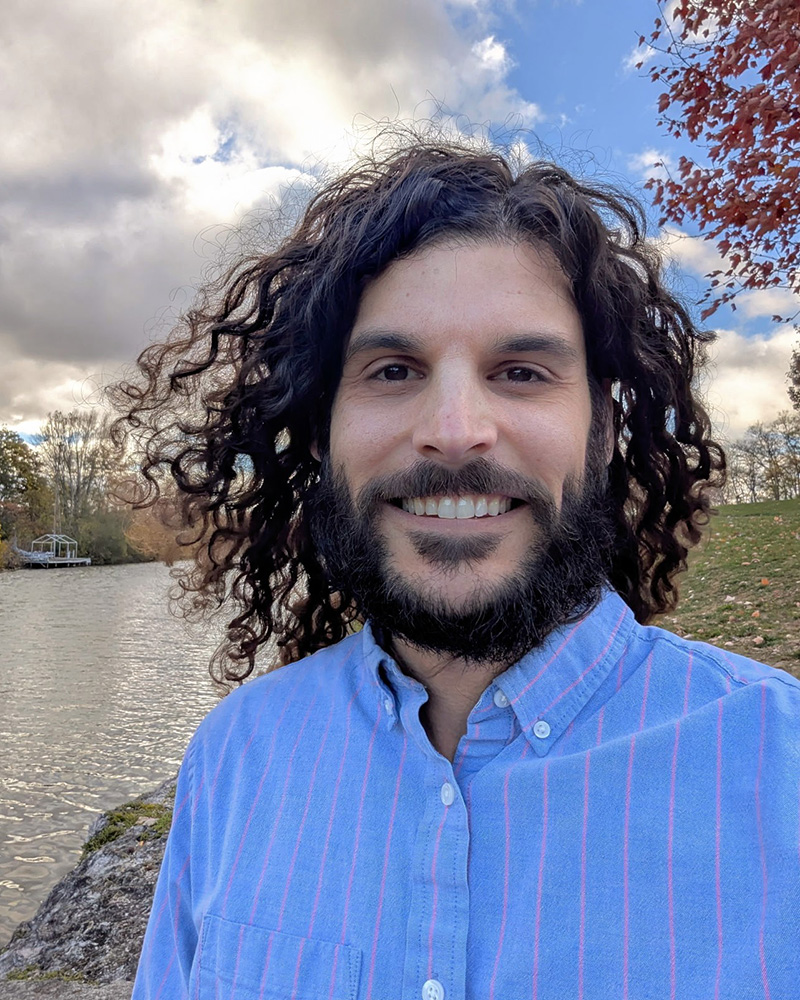
Hey there, my name is Aaron and I’m glad you found me.
I can only imagine what has brought you here, but perhaps there’s some hope in finding answers, solutions or both. Whether it’s bad memories that won’t go away, hopelessness or helplessness that doesn’t fade, struggles to understand yourself, or the powerlessness you might feel against addiction or other vices, I’m here to help.
Even though we haven’t met yet I want to let you know should our paths cross I hope you’ll find safety in our time together, and time for us to build trust in this process and partnership to see you well.
My Specialties

Therapy is a vessel for creating change, but I recognize that I cannot be the one to change it, only guide it along in a way that feels best suited for the individual.
I believe safety and trust are the hallmarks to good therapy and without them change through therapy is rarely possible. I will prioritize learning what safety and trust mean to you and understand how the world looks through your eyes.
I bring over 15 years of experience helping individuals work through addiction, trauma, grief, depression, and anxiety. I also help guide individuals through learning more about themselves in their identity, neurotype, and how our beliefs can become shaped (and sometimes distorted) by the experiences we lived through.
I hold a Master’s of Social Work and integrate Eye Movement Desensitization and Reprocessing (EMDR), Schema Therapy, and Internal Family Systems (IFS) as my primary therapeutic approaches. I’m committed to ongoing learning and growth to ensure the models I use remain effective, inclusive, and relevant for people of all backgrounds, identities, beliefs, and experiences.
My Approach to Therapy
Curiosity: For every action, thought, feeling we have we often ascribe a negative or positive value that I don’t find particularly useful in therapy. I believe approaching it all with curiosity allows for space to be created to explore and better understand ourselves without any judgment.
Pace: Many people come to therapy feeling guarded, withdrawn, or unsure. I don’t believe it’s a therapist’s job to push past those defenses, but to understand that what looks like resistance is often a way to protect from perceived harm. Safety and trust can only exist in an environment that respects each person’s limits. I work to make sure we are working at a pace that feels safe and sustainable.